A furnace that has served your home for 15 or 20 years can feel like a member of the household – right up until it quits on a cold Oklahoma night. Aging furnace repair is not automatically throwing good money after bad. In many cases, a targeted repair can safely restore dependable heat and give you more time to plan for a future replacement. The key is understanding what failed, why it failed, and whether the rest of the system is still in good working order.
A trustworthy technician should not lead with a replacement quote just because a furnace is old. They should inspect the equipment, explain the problem in plain language, discuss the likely life left in the system, and give you an honest recommendation based on safety, cost, and your comfort.
When Aging Furnace Repair Is a Good Decision
Age matters, but it is only one part of the decision. Many well-maintained gas furnaces operate for 15 to 20 years, and some last longer. If the furnace has a sound heat exchanger, has been maintained regularly, and needs a reasonably priced repair, fixing it may be the most practical choice.
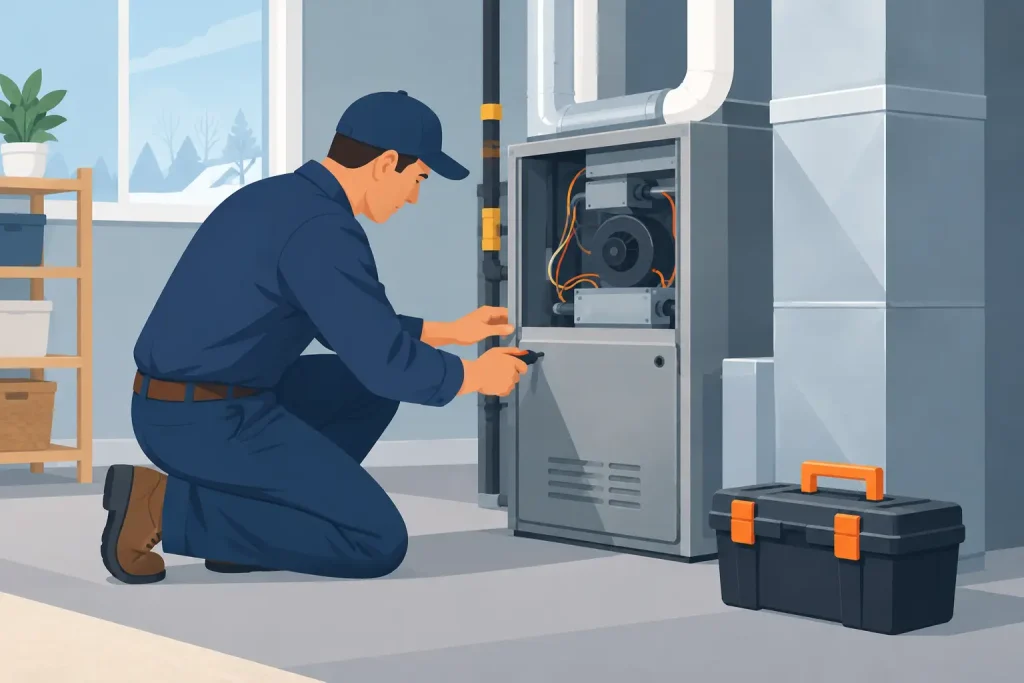
A repair often makes sense when the issue involves a replaceable part, such as an igniter, flame sensor, pressure switch, blower motor capacitor, thermostat, or control component. These parts can fail as equipment ages without meaning the entire furnace is finished. A dirty flame sensor, for example, may keep a furnace from staying lit, but cleaning or replacing it is very different from replacing a major system component.
The pattern of breakdowns matters, too. One repair after several dependable seasons is not the same as repeated no-heat calls every winter. If your furnace has generally been reliable and the repair addresses a clear root cause, keeping it in service can be a sensible use of your budget.
For property owners and small businesses, repair can also be the right short-term move when a replacement needs to be planned around occupancy, cash flow, or operating hours. The goal is not to force a decision during an emergency. It is to restore safe heat when practical and help you make the next decision with clear information.
Signs a Repair May Only Be a Temporary Fix
There are times when repair costs begin to outweigh the benefit. A furnace nearing or beyond its expected service life may still run, but it can become less predictable and more expensive to keep operating. That does not mean replacement is mandatory today. It does mean it is wise to compare repair options with the cost and benefits of a new system.
Frequent repairs are one warning sign. So are rooms that heat unevenly, longer run times, new noises, or utility bills that continue climbing even when your thermostat habits have not changed. Some of these concerns may come from ductwork, airflow restrictions, insulation, or thermostat settings rather than the furnace itself. That is why proper diagnosis matters before anyone labels the furnace as the problem.
A cracked heat exchanger changes the conversation. The heat exchanger separates combustion gases from the air moving through your home. If it is damaged, a qualified HVAC professional should evaluate the furnace promptly and discuss safe next steps. Repair options for a heat exchanger are often limited, and furnace replacement may be the more responsible recommendation.
Other concerns that deserve immediate attention include a gas smell, a carbon monoxide alarm, soot around the unit, a yellow burner flame instead of a mostly blue flame, or a furnace that repeatedly shuts down. Leave the area if you suspect a gas leak or carbon monoxide issue, call the appropriate emergency service if needed, and have the equipment inspected before using it again.
How to Compare Repair Cost With Replacement Value
There is no single formula that works for every home. A modest repair on a 17-year-old furnace may be worthwhile for one homeowner, while another household may benefit more from replacement because the system has a history of failures and high operating costs.
Start by asking what the repair will solve. Will it address one failed component, or is it part of a larger pattern involving corrosion, airflow problems, electrical issues, or worn mechanical parts? Ask whether the furnace is likely to need other major work soon and whether replacement parts are still readily available.
Then consider the repair cost in context. A lower-cost repair that restores safe, reliable operation may be an easy decision. A costly repair on an older furnace with declining efficiency and several pending concerns deserves a side-by-side replacement estimate. That estimate should cover more than the equipment price. It should explain installation scope, warranty coverage, efficiency options, thermostat compatibility, and any duct or venting work that may be needed.
Energy efficiency is worth considering, especially during Oklahoma cold snaps, but it should not be used as a scare tactic. A new high-efficiency furnace can reduce fuel use in the right home, yet actual savings depend on your existing furnace, fuel costs, duct condition, insulation, thermostat settings, and how long you expect to stay in the home. Comfort improvements can be just as meaningful as the monthly bill, particularly if the old furnace struggles to maintain an even temperature.
What a Proper Furnace Diagnosis Should Include
Good aging furnace repair begins with more than replacing the part that appears to have failed. A technician should look for the reason it failed. For example, an overheated limit switch may point to restricted airflow, a dirty filter, undersized return ducts, a failing blower, or closed supply vents. Replacing the switch without correcting the airflow issue can lead to another breakdown.
A thorough inspection may include checking the thermostat operation, electrical connections, filter condition, blower performance, ignition sequence, gas pressure where appropriate, venting, condensate drainage on high-efficiency units, safety controls, and temperature rise. The technician should also inspect visible signs of wear and discuss whether the equipment is operating within manufacturer specifications.
This root-cause approach protects your investment. It can prevent repeat service calls, improve comfort, and help you avoid replacing equipment before it is truly necessary. At ComfortShield Heat & Air, the focus is on giving customers the facts needed to choose the repair or replacement path that fits their home, timeline, and budget.
Steps You Can Take Before Calling for Service
Before scheduling a repair, check the thermostat setting and make sure it is set to heat. Confirm that the furnace switch and breaker are on, and replace a dirty filter if you have the correct size available. Make sure supply and return vents are open and not blocked by furniture, rugs, or storage.
If the furnace has stopped working, avoid repeatedly cycling the power or resetting safety switches. Repeated resets can mask the problem and may cause additional strain. Write down what you notice instead: any error code, sounds, smells, when the issue began, and whether the furnace starts but fails to stay running. Those details can help speed up diagnosis.
Annual maintenance is also one of the best ways to get more useful life from an older furnace. A seasonal tune-up does not guarantee that every part will last forever, but it can catch worn components, airflow problems, and safety concerns before they turn into a no-heat emergency.
Repair Now, Plan Ahead, Stay Comfortable
If your older furnace is repaired successfully, use that time wisely. Set aside funds for a future replacement, keep up with filter changes and maintenance, and ask for a record of the system’s condition at each visit. When replacement eventually becomes the better choice, you will be able to compare options calmly instead of deciding under pressure on the coldest night of the year.
The right answer is the one that keeps your home or business safe, warm, and financially manageable. A clear diagnosis and an honest conversation can make that decision much easier.