A winter morning in Oklahoma can start mild and turn sharply cold by dinner. That is why the choice between a heat pump vs furnace in Oklahoma is less about picking the newest equipment and more about choosing a system that will keep your home comfortable through changing weather, rising utility costs, and the occasional hard freeze.
Both systems can be excellent options. The right answer depends on your existing equipment, insulation, utility rates, home layout, budget, and how much backup heating capacity you want when temperatures drop. A careful evaluation should look beyond the equipment price and address the root cause of comfort problems before recommending replacement.
Heat Pump vs Furnace in Oklahoma: The Main Difference
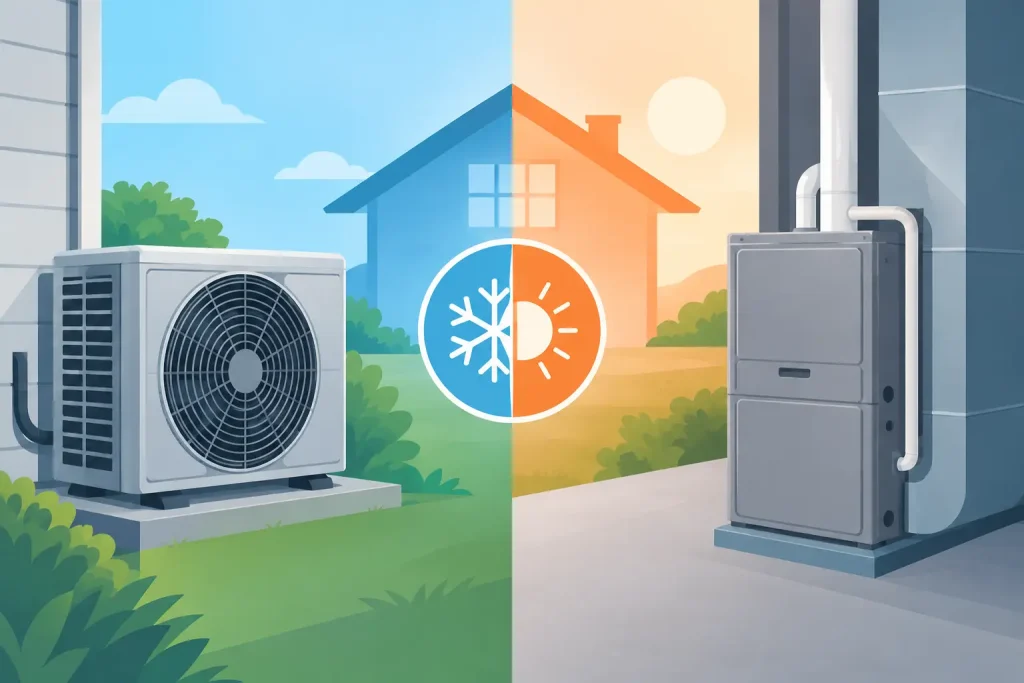
A gas furnace creates heat by burning natural gas and moves that warm air through your ductwork. It is a straightforward, powerful heating solution that performs reliably regardless of the outdoor temperature.
A heat pump works differently. Rather than creating heat, it transfers heat from outdoor air into your home during winter. In summer, it reverses direction and operates like an air conditioner, moving heat out of the house. One outdoor unit can provide both heating and cooling.
That difference matters in Oklahoma. A heat pump can be very efficient during the many cool-to-moderate days we experience in fall, winter, and spring. But when outdoor temperatures fall well below freezing, the unit has less available heat to transfer and may need supplemental heat to keep up.
When a Heat Pump Makes Sense
For homeowners replacing both an aging air conditioner and heating equipment, a heat pump is worth serious consideration. It provides cooling in summer and efficient electric heat for much of the heating season. Since Oklahoma winters include many days above freezing, a properly sized heat pump can handle a substantial share of your heating needs efficiently.
Modern cold-climate heat pumps perform better in low temperatures than older models did. Still, performance varies by model, installation quality, duct design, and the home itself. A heat pump installed in a drafty home with undersized ducts may not deliver the comfort or savings the equipment is capable of providing.
A heat pump may be a good fit if you have a well-insulated home, want to reduce natural gas use, or need to replace an air conditioner anyway. It can also work well in homes without gas service, where the alternatives may be electric resistance heat, propane, or a less efficient older system.
Heat Pump Backup Heat Matters
Most central heat pumps use auxiliary heat when outdoor temperatures are too low for the heat pump to meet demand on its own. In many systems, that backup is electric heat strips inside the air handler. Heat strips are dependable, but they cost more to operate than the heat pump itself.
Another option is a dual-fuel system. This pairs an electric heat pump with a gas furnace. The heat pump handles heating during milder weather, while the furnace takes over during colder conditions. For some Oklahoma homes, this combination offers a practical balance of efficiency and cold-weather reliability.
The best changeover temperature is not the same for every home. It should be based on equipment performance, electric and gas rates, and comfort needs, not a one-size-fits-all setting.
When a Furnace Is the Better Choice
A high-efficiency gas furnace remains a strong choice for many homes in Oklahoma City, Yukon, Mustang, Piedmont, and surrounding areas. It provides fast, consistent heat during cold snaps and does not lose heating capacity simply because outdoor temperatures fall.
For a home that already has natural gas service and a reliable central air conditioner, replacing only the furnace can be the most sensible and cost-effective option. There is no reason to replace working cooling equipment solely to follow a trend. The condition, age, repair history, and efficiency of the full system should guide the decision.
Furnaces are also often preferred by homeowners who want powerful heat delivery and predictable performance during freezing weather. If your family tends to keep the thermostat warmer in winter, or your home has higher heat loss due to older windows, limited insulation, or air leakage, a furnace may offer greater peace of mind.
Gas Furnace Efficiency
Furnace efficiency is measured by AFUE, or Annual Fuel Utilization Efficiency. A higher AFUE rating means more of the fuel is converted into usable heat. Older furnaces may operate far below the efficiency of a modern replacement, especially if they have deferred maintenance, combustion concerns, or airflow problems.
However, the highest-rated furnace is not automatically the best investment. The right equipment should be properly sized and installed with attention to ductwork, venting, airflow, thermostat controls, and safety. Oversized equipment can short cycle, create uneven temperatures, and wear out components faster.
Compare Operating Costs, Not Just Purchase Price
The installed price matters, but it is only one part of the decision. A heat pump can cost more upfront than a furnace-only replacement, particularly when it is replacing both heating and cooling equipment. Its potential savings come from its ability to move heat efficiently during moderate weather.
A furnace may have a lower replacement cost when the air conditioner is still in good shape. Natural gas prices, electricity rates, thermostat habits, and winter weather all affect annual operating costs. A dual-fuel setup may cost more to install, but it can offer flexibility when utility prices and outdoor temperatures change.
Before approving equipment, ask for a clear explanation of what is included: equipment model, efficiency ratings, electrical work, duct modifications, thermostat, permits, warranty terms, and removal of the old unit. An estimate should also explain why that particular system is being recommended for your home.
Comfort Depends on More Than the Heater
A new furnace or heat pump cannot fully solve problems caused by leaky ducts, inadequate return air, clogged filters, poor attic insulation, or rooms with heavy sun exposure. If one bedroom is always cold in winter and hot in summer, the issue may be airflow rather than equipment capacity.
This is especially relevant in older homes and additions. A technician should inspect the existing system, confirm the equipment size, and check whether the ductwork can deliver the airflow required by the new unit. Correcting a return-air restriction or damaged duct can improve comfort and protect the life of either system.
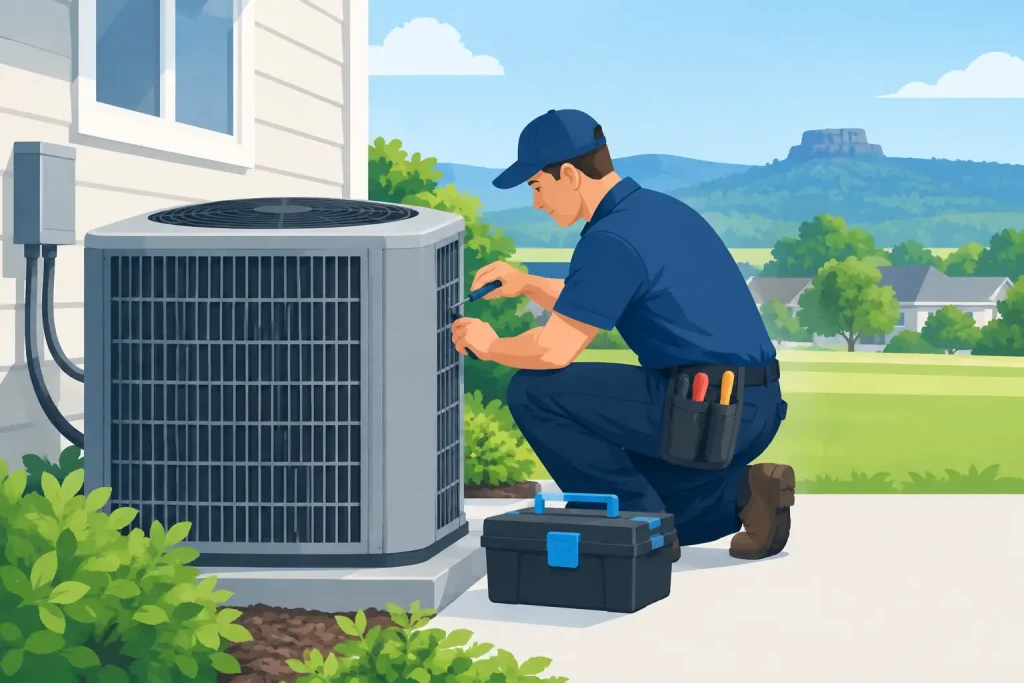
Regular maintenance also makes a measurable difference. Heat pumps need clean coils, proper refrigerant charge, and dependable defrost operation. Furnaces need clean burners, safe venting, sound electrical connections, and inspection of safety controls. Seasonal service helps catch small problems before they become a no-heat call on the coldest night of the year.
Questions to Ask Before You Choose
Start with the condition of the system you already own. Is your air conditioner nearing the end of its service life, or does it have years of reliable operation left? Do you have natural gas available? Are winter utility bills or uneven room temperatures your main concern? Would you rather have one all-electric system, or the flexibility of a heat pump with gas backup?
It also helps to consider your plans for the home. A homeowner planning to stay for many years may place more value on efficiency and long-term operating costs. A property owner preparing a home for sale may need a dependable replacement that fits the budget without overspending on features that will not be recovered.
There is no pressure-free answer without looking at the actual home and equipment. ComfortShield Heat & Air can evaluate the full system, explain the trade-offs in everyday language, and provide a free replacement estimate when replacement is the practical next step.
When your heater is struggling, do not wait for the next cold front to make the decision for you. Schedule an evaluation while there is time to compare options, correct underlying airflow issues, and choose equipment that will keep your home comfortable for the seasons ahead.