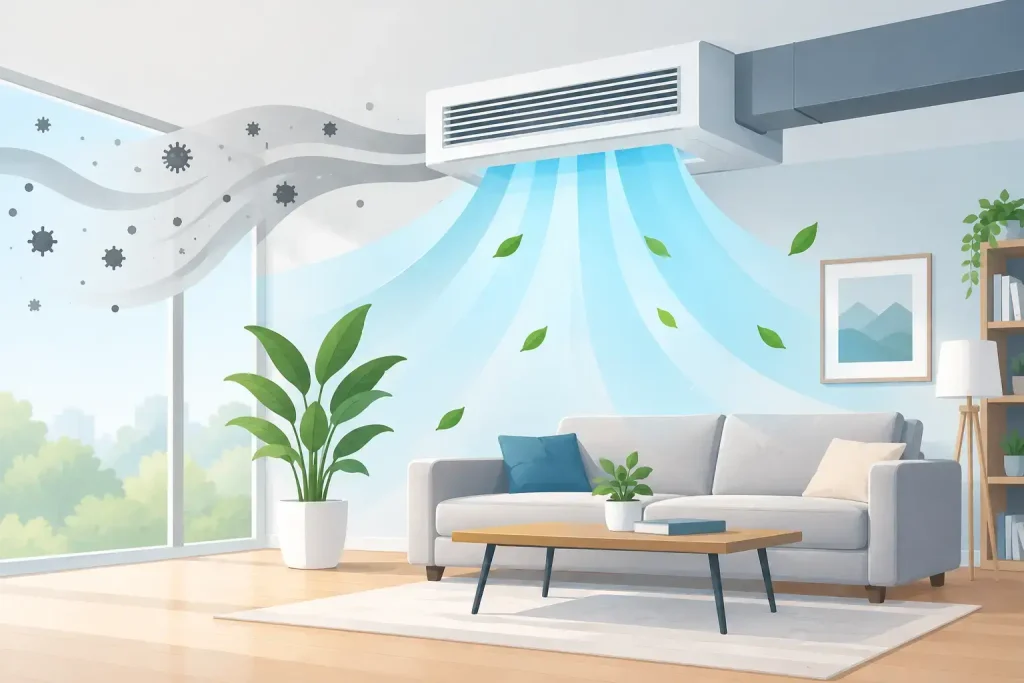
A home can feel clean and still have air that irritates your eyes, aggravates allergies, or leaves certain rooms feeling stale. In Northwest Oklahoma City, closed windows during extreme summer heat and winter cold often mean families spend long stretches relying on conditioned indoor air. When you want to improve indoor air quality, HVAC equipment is a major part of the solution – but it is not the only part.
The right approach starts with identifying what is actually affecting the air in your home or business. A dirty filter, excess humidity, poor ventilation, a duct issue, pet dander, or a combustion safety concern can all create similar symptoms. Rather than adding a product and hoping for the best, it makes more sense to address the root cause.
Start With the Air Filter
Your HVAC filter protects the equipment and captures particles moving through the return air system. If it is clogged, damaged, or the wrong size, air may bypass the filter or struggle to move through the system. That can reduce comfort, increase energy use, and allow more dust to circulate.
For many homes, a quality pleated filter changed on schedule is the most practical first step. The right replacement interval depends on the filter type, pets, household size, remodeling activity, and how often the system runs. During Oklahoma’s hottest and coldest months, some homes need a filter check every month, even if replacement is not always necessary.
Higher-rated filters can capture smaller particles, but more filtration is not automatically better. A very restrictive filter can reduce airflow if the system was not designed for it. Low airflow can affect heating and cooling performance and put unnecessary strain on equipment. A qualified HVAC technician can help you choose a filter rating that balances air cleaning with healthy system operation.
Improve Indoor Air Quality With HVAC Maintenance
A properly maintained system does more than heat and cool. It helps manage airborne particles, moisture, and airflow throughout the building.
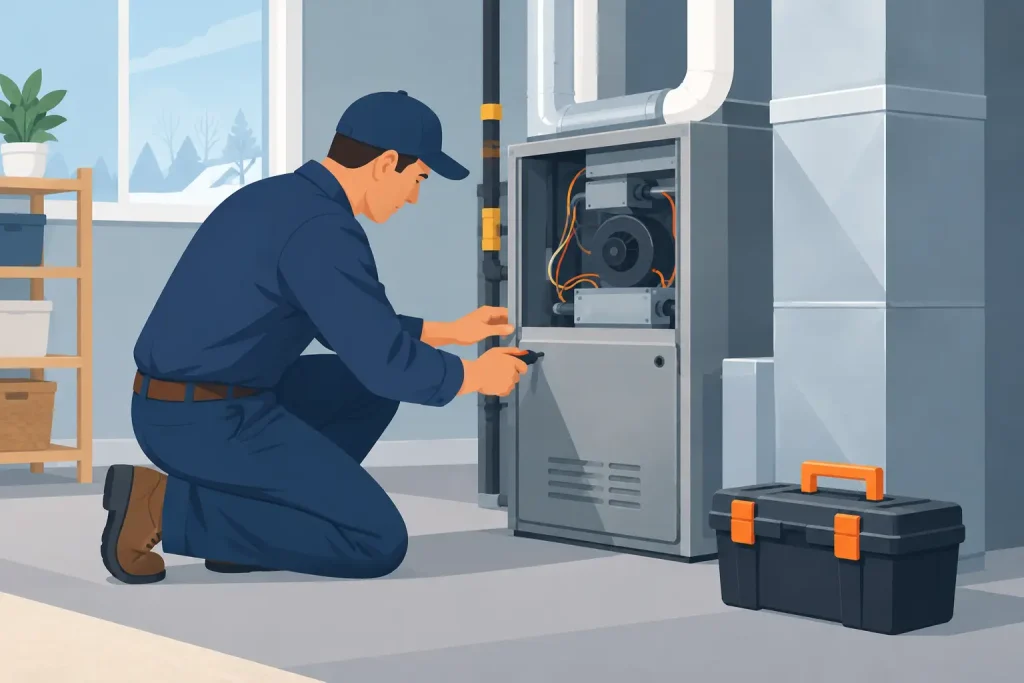
During routine maintenance, a technician can inspect the blower compartment, indoor coil, drain system, electrical connections, duct connections, and overall system performance. Dust buildup on components and a neglected drain can contribute to odors, moisture issues, or reduced airflow. If the system is not moving enough air, some rooms may feel stuffy while others never seem comfortable.
Air conditioning naturally removes some moisture from the air. When an AC system is oversized, short-cycling, low on refrigerant, or experiencing airflow problems, it may not run long enough to dehumidify effectively. That matters because high indoor humidity can make a home feel warmer, encourage mold growth, and create a more welcoming environment for dust mites.
Most homes are comfortable within a moderate humidity range, often around 30% to 50%. The right target can vary with the season, construction, and the home’s specific moisture conditions. If humidity is consistently high, a standalone or whole-home dehumidifier may be worth considering. If the air feels excessively dry during heating season, the answer may involve controlled humidification, air leaks, or changes in how the system is operated.
Do Not Assume Duct Cleaning Is Always the Answer
Ductwork can collect dust over time, especially after construction work, a major renovation, or years of filter neglect. But duct cleaning is not a cure-all for every allergy or odor complaint. If the real problem is a return-air leak, wet insulation, an undersized return, a dirty coil, or an ongoing source of dust inside the home, cleaning ducts alone will not solve it.
A visual inspection is more useful than a sales pitch. Duct cleaning may be reasonable when there is confirmed heavy debris, evidence of moisture-related growth that has been properly evaluated, pest contamination, or construction dust. Just as important, the source of the contamination should be corrected so the issue does not return.
Leaky ducts deserve attention as well. Return-side leaks can pull dusty attic, garage, crawlspace, or wall-cavity air into the system before it reaches the filter. Supply leaks waste conditioned air and can make rooms harder to control. Sealing and repairing ductwork can improve both indoor air quality and comfort.
Fresh Air Requires a Plan
Opening a window can be pleasant when outdoor conditions are mild, but it is not a dependable year-round ventilation plan in Oklahoma. Outdoor pollen, smoke, dust, humidity, and temperature swings can all affect whether open windows help or hurt.
Homes built or updated for energy efficiency can be especially tight. That lowers utility waste, but it can also reduce the amount of natural air exchange. In some situations, controlled mechanical ventilation is the better answer. Equipment such as exhaust ventilation, fresh-air systems, or energy-recovery ventilation can bring in outdoor air more intentionally while reducing the impact on heating and cooling.
The best option depends on the building, the number of occupants, indoor moisture levels, and the pollutants involved. A small office with several people in enclosed rooms may need a different approach than a single-family home. Bathrooms, kitchens, laundry areas, and spaces with attached garages also need special attention because they can introduce moisture, particles, or fumes into the indoor environment.
Watch for Problems HVAC Cannot Fix Alone
Your HVAC system can support cleaner air, but it cannot make an unsafe source disappear. If you notice a persistent musty smell, visible staining, water damage, smoke odors, or recurring condensation, investigate the source promptly. Moisture from a roof leak, plumbing issue, foundation problem, or poorly vented appliance needs to be repaired at the source.
Gas furnaces, fireplaces, and other fuel-burning appliances should be inspected and maintained for safe operation. Working carbon monoxide alarms should be installed according to local guidance and manufacturer instructions. Carbon monoxide has no smell, so do not rely on odor as a warning sign. If an alarm sounds or anyone experiences possible exposure symptoms, get outside and contact emergency services.
Air cleaners can be useful in the right situation, particularly portable units with appropriate particle filtration for bedrooms or other occupied rooms. They are most effective when sized for the room and used alongside source control and proper HVAC filtration. Be cautious about devices that intentionally produce ozone. Ozone can irritate the lungs and is not a substitute for filtration, ventilation, or correcting the underlying problem.
Signs It Is Time for an HVAC Air Quality Inspection
A professional evaluation can save time when basic steps are not improving the situation. Consider scheduling service if you notice uneven airflow, frequent dust despite regular cleaning, lingering odors when the system runs, visible condensation near vents, unusually high indoor humidity, repeated filter loading, or rooms that are consistently stuffy.
For homes with allergies, asthma, pets, smokers, recent remodeling, or an aging system, an inspection can clarify whether the problem involves filtration, duct leakage, ventilation, moisture control, or equipment performance. The goal should not be to sell every available accessory. It should be to recommend the changes that make sense for your home, your budget, and your comfort.
ComfortShield Heat & Air can inspect the HVAC side of indoor air concerns, explain what we find in plain language, and help you prioritize practical repairs or upgrades. Cleaner indoor air is rarely about one expensive add-on. It usually starts with a system that moves air properly, filters it effectively, controls moisture, and receives the maintenance it needs.