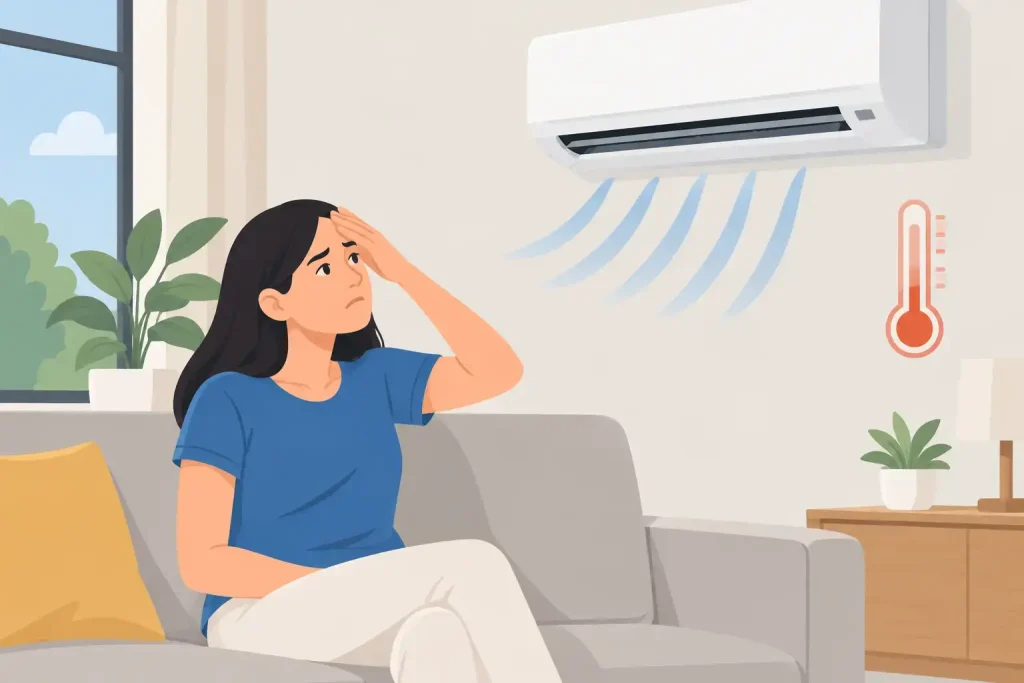
A running air conditioner can be more frustrating than one that will not start at all. You hear the system, the thermostat says it is cooling, and the electric bill may be climbing – but the house is still warm. If you are asking why AC running not cooling is happening at your home or business, the cause could be as simple as restricted airflow or as involved as a refrigerant or electrical problem.
In Oklahoma heat, an AC that is not cooling properly deserves prompt attention. Continuing to run a struggling system can turn a smaller repair into a larger one, especially if the indoor coil freezes or the compressor overheats. A few safe checks can help you narrow down the issue, but some problems should be left to a trained HVAC technician.
Why Is Your AC Running but Not Cooling?
Your air conditioner does not create cold air. It removes heat from inside the building and releases that heat outdoors. For that process to work, the system needs proper airflow, clean coils, correct refrigerant levels, working electrical components, and a thermostat that is calling for cooling correctly.
When any one of those pieces fails, the equipment may still run without delivering comfortable air. The indoor blower might move air through the vents while the outdoor unit is not doing its job. Or the outdoor unit may be operating, but low airflow indoors prevents the home from cooling evenly.
The first clue is often the air coming from the supply vents. Air that is barely moving, warmer than usual, or cool but not cool enough points technicians toward different possible causes.
Start With These Safe Checks
Before scheduling service, check the thermostat. Set it to Cool, lower the temperature setting several degrees below the current indoor temperature, and make sure the fan setting is on Auto rather than On. When the fan is set to On, it runs continuously between cooling cycles and can blow room-temperature air through the vents, making it seem like the AC is no longer cooling.
Next, inspect the air filter. A heavily loaded filter limits airflow across the indoor evaporator coil. That restriction can reduce cooling, increase energy use, and eventually cause the coil to freeze. If the filter is visibly dirty, replace it with the correct size and type. Avoid using an overly restrictive filter if your system was not designed for one.
Then look at the outdoor condenser from a safe distance. It needs open space to release heat. Remove leaves, grass clippings, and loose debris around the unit, and keep shrubs trimmed back. Do not insert tools into the unit or spray electrical components. If the outdoor unit is silent while the indoor fan is running, or if you hear loud buzzing, repeated clicking, or metal-on-metal sounds, turn the thermostat off and call for service.
Finally, check your electrical panel for a tripped breaker. If an AC breaker has tripped once, you may reset it one time after turning the thermostat off. If it trips again, do not keep resetting it. That can indicate an electrical fault, a failing component, or a compressor issue that needs diagnosis.
Restricted Airflow and Frozen Coils
Airflow problems are among the most common reasons an AC runs without cooling well. A dirty filter is one possibility, but closed vents, blocked return grilles, damaged ductwork, a failing blower motor, or a dirty indoor coil can create the same result.
When too little warm air moves across the evaporator coil, the coil can drop below freezing. Moisture in the air freezes on it, gradually blocking even more airflow. You may notice weak air from the vents, ice on the refrigerant line near the indoor unit or outdoor condenser, or water around the furnace or air handler after the ice begins to melt.
If you see ice, turn the system off at the thermostat and set the fan to On if it will operate. This helps the coil thaw. Do not chip at the ice or continue cooling while the coil is frozen. A technician should identify why it froze before the system is returned to normal operation. Refrigerant problems, airflow restrictions, and mechanical failures can all cause icing.
Refrigerant Leaks Do Not Fix Themselves
Refrigerant carries heat from your home to the outside unit. An AC does not use up refrigerant like a vehicle uses fuel. If the refrigerant level is low, there is usually a leak somewhere in the system.
Low refrigerant can cause poor cooling, longer run times, frozen coils, and higher operating costs. Adding refrigerant without finding the leak may provide temporary relief, but it does not address the root cause. The right repair depends on the location and size of the leak, the condition of the equipment, and the refrigerant used by the system.
For a newer system with an accessible repair, fixing the leak and restoring the correct refrigerant charge is often the practical choice. For an older unit with a major coil leak or an obsolete refrigerant, repair costs may need to be weighed against replacement. An honest diagnosis should explain both options clearly, without pressure.
Outdoor Unit Problems Can Leave You With Warm Air
The outdoor condenser contains components that are essential to heat removal. If its fan motor fails, the compressor can overheat. If a capacitor weakens, the system may hum, struggle to start, or run intermittently. A contactor, wiring issue, control board problem, or failed compressor can also prevent the outdoor side from operating correctly.
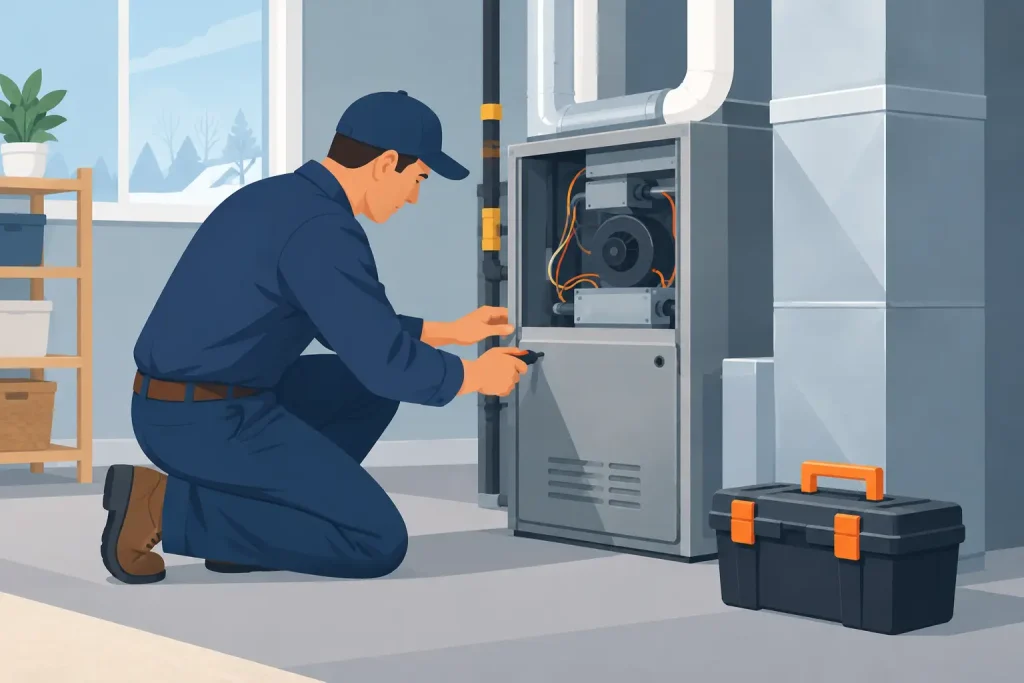
These are not good do-it-yourself repairs. Air conditioning equipment combines high-voltage electricity, moving parts, and pressurized refrigerant. A technician can test the system safely, confirm which part has failed, and make sure a replacement part is not masking another problem.
A dirty outdoor coil can also reduce cooling. Dust, cottonwood, grass, and yard debris make it harder for the unit to release heat. Light surface debris can be cleared carefully after power is shut off, but heavily impacted coils should be cleaned professionally to avoid bending the delicate fins or damaging components.
Ductwork, Insulation, and Heat Gain Matter Too
Sometimes the AC is working, but the home cannot hold onto the cooling it produces. Leaking ducts in an attic or crawlspace can send conditioned air into areas that do not need it. Disconnected duct sections, crushed flex duct, and poor return-air design can leave certain rooms hot while other rooms feel comfortable.
High summer heat, direct afternoon sun, attic insulation gaps, and air leaks around doors or windows also add to the cooling load. This does not automatically mean your system needs to be replaced with a bigger one. Oversized equipment can short-cycle, remove less humidity, and wear out prematurely. The better solution may be a duct repair, airflow adjustment, insulation improvement, zoning option, or a properly sized replacement when the current equipment is at the end of its useful life.
For small commercial spaces, blocked vents, after-hours thermostat settings, exhaust equipment, or changing occupancy can create similar comfort problems. A proper evaluation considers how the space is being used, not just the age of the equipment.
When to Call for AC Repair Right Away
Call for prompt service if your AC is blowing warm air during extreme heat, the system is frozen, a breaker keeps tripping, you smell burning, or you hear loud or unusual noises. Families with young children, older adults, pets, or health concerns should not wait through unsafe indoor temperatures.
If your system is still producing some cool air but runs almost constantly, service is still a good idea. Early diagnosis may prevent compressor damage and can reduce the chances of a complete breakdown during the hottest part of the season.
At ComfortShield Heat & Air, the goal is to identify why the system is not cooling, explain what the repair involves, and help you decide what makes sense for your equipment and budget. Whether the answer is a filter and airflow correction, a targeted repair, or a replacement estimate for an aging system, you deserve a clear recommendation.
Comfort should not be a guessing game in an Oklahoma summer. If the simple checks do not restore cool air, turn the system off if it is frozen or making concerning noises, and have the cause diagnosed before the heat puts more strain on your equipment.